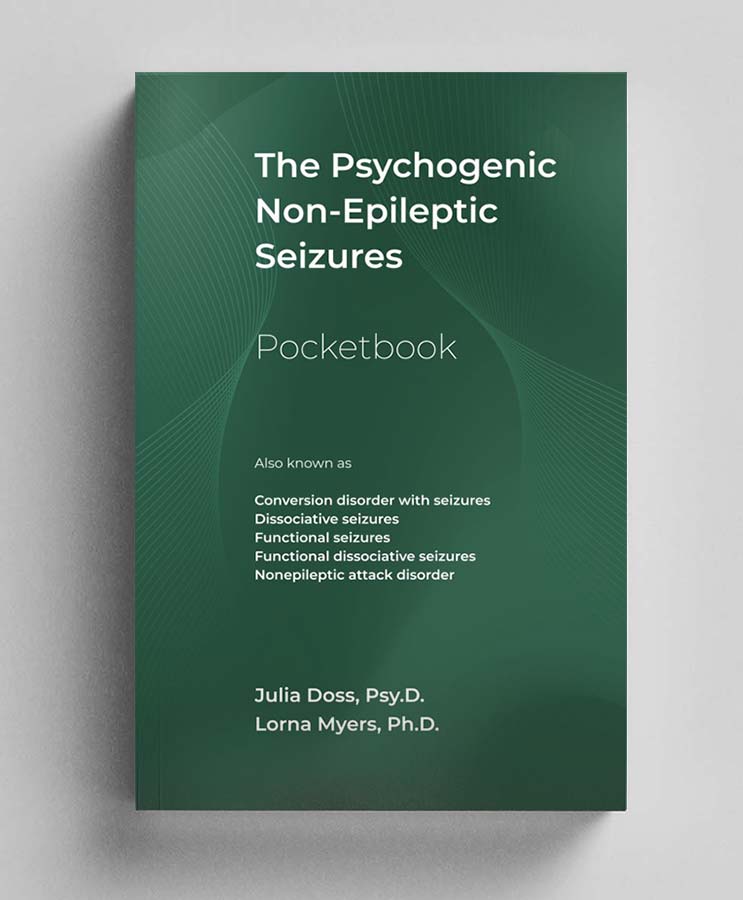


non epileptic attack disorder

Unintended consequences of replacing psychogenic nonepileptic seizures (PNES) with functional seizures

With new advances in understanding PNES, there have been changes in how the diagnosis is explained and what the condition itself is named. The shift, recommended by some professionals in the field, emphasizes the biological aspects of the disorder, removes reference to psychological elements (functional seizures), and seemingly provides a wider foundation for how to […]

Unintended consequences of replacing psychogenic nonepileptic seizures (PNES) with functional seizures Read More »

The Lorna Myers Psychogenic nonepileptic seizures (PNES) Scholarship Fund 2026 application is now open!

What is this?The Lorna Myers PNES Scholarship Fund is a dedicated financial aid program graciously administered by Epilepsy Alliance America and supported financially by Dr. Lorna Myers who donates all royalties from the sales of her book “Psychogenic nonepileptic seizures: A guide” to the scholarship.  This scholarship supports students who reside in the US and

The Lorna Myers Psychogenic nonepileptic seizures (PNES) Scholarship Fund 2026 application is now open! Read More »

Why it’s so important that adults living with psychogenic nonepileptic seizures (PNES) engage in self-care

More often than not, when I first meet my patients, it is evident that most of their lifetimes, self-care has been left by the wayside. My patients have been surviving, working hard, taking care of others, basically treading water for years.  And this has shortchanged them in the process.   As could be expected, at some

Why it’s so important that adults living with psychogenic nonepileptic seizures (PNES) engage in self-care Read More »

Join me in congratulating the 2023 Lorna Myers PNES Scholarship awardees!

Every year, all profits from the sale of “Psychogenic non-epileptic seizures: A guide” are donated to Epilepsy Alliance America, a wonderful foundation that hosts the Lorna Myers PNES Scholarship. This award is offered to any person living in the USA and who has a diagnosis of psychogenic non-epileptic seizures.  The money that is granted can

Join me in congratulating the 2023 Lorna Myers PNES Scholarship awardees! Read More »

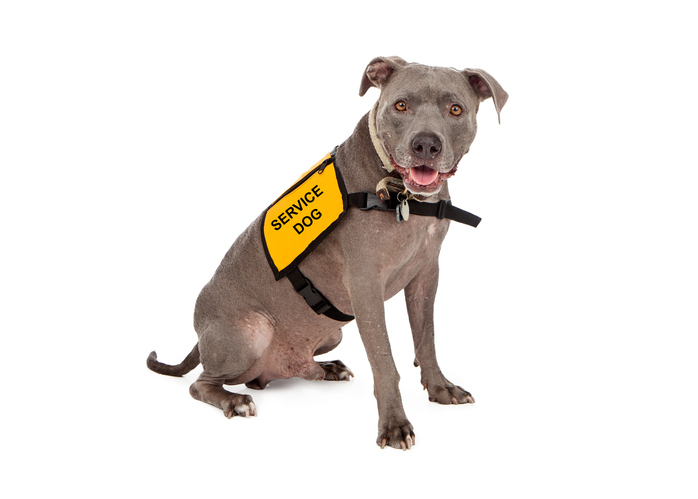
Service animals for people living with psychogenic non-epileptic seizures (PNES): some thoughts

I get asked about service dogs for PNES quite a bit and over the last few years, I have had the opportunity to observe my patients’ service dogs and emotional support animals in action. The ones who are really well-trained have left me very impressed at how useful they are in ensuring safety and also

Service animals for people living with psychogenic non-epileptic seizures (PNES): some thoughts Read More »

The debate on what to call psychogenic non-epileptic seizures (PNES), non-epileptic attach disorder (NEAD), dissociative seizures, functional seizures, etc. continues

This feature article was just published by the International League Against Epilepsy (ILAE) and summarizes meetings that took place last year. https://www.newswise.com/articles/what-should-we-call-psychogenic-non-epileptic-seizures   Note: I will continue to call PNES by this name below since we do not have a better term yet. Why is this important what we call this disorder, you might ask?

The debate on what to call psychogenic non-epileptic seizures (PNES), non-epileptic attach disorder (NEAD), dissociative seizures, functional seizures, etc. continues Read More »

How important is alexithymia in the treatment of psychogenic non-epileptic seizures (PNES)? (Post for clinicians)

Spoiler alert: Important in patients who have PNES and high alexithymia What is alexithymia? Basically, it is, not having words for emotions (a=not having, lexi=word, thymia=emotion) or in other words, having a hard time identifying and describing feelings. In psychology it is associated with two concepts: emotional knowledge (EK) and emotional regulation (ER). EK has

How important is alexithymia in the treatment of psychogenic non-epileptic seizures (PNES)? (Post for clinicians) Read More »

Face Masks: to wear or not to wear when you are living with psychogenic non-epileptic seizures (PNES) during the Covid-19 pandemic

In recent months, I have been asked by a few patients who have been diagnosed with PNES (dissociative seizures) whether it is safe to wear a mask with PNES. On one hand, it is becoming obligatory to wear masks in some states.  We have all seen those signs that say: “If you come into this

Face Masks: to wear or not to wear when you are living with psychogenic non-epileptic seizures (PNES) during the Covid-19 pandemic Read More »

Breaking news: Results of a major Cognitive Behavioral Therapy (CBT) Study for psychogenic non-epileptic seizures (dissociative seizures) just published

Recently, Goldstein et al published their results from a randomized CBT treatment versus “treatment as usual” (TAU) study in which treatment outcome in patients who had a history of dissociative seizures was compared (Goldstein et al., 2020). The study is the largest and most well-designed study to date. It included an initial 3-month observation period

Breaking news: Results of a major Cognitive Behavioral Therapy (CBT) Study for psychogenic non-epileptic seizures (dissociative seizures) just published Read More »

Scroll to Top